Lotteries are woven into the fabric of Tanzanian society, offering excitement, hope, and the tantalizing prospect of life-changing prizes. But behind every ticket and televised draw lies a complex system regulated by law, driven by technology, and shaped by cultural attitudes towards luck and fortune. If you’re curious about how lotteries work in Tanzania—whether you’re a first-time player or simply interested in the behind-the-scenes mechanics—this guide will walk you through everything you need to know.
The Historical and Legal Landscape of Lotteries in Tanzania
Lotteries in Tanzania have a long and evolving history. They officially became regulated with the passing of the National Lotteries Act of 1974, which set the foundation for legal lottery operations in the country. Since then, the sector has grown significantly, both in terms of the number of games and the volume of participants.
The Gaming Board of Tanzania (GBT), established in 2003, is the primary regulatory authority. According to GBT’s 2022 Annual Report, the Tanzanian lottery market generated over TZS 32 billion (approx. USD 13.8 million) in revenue in that year alone. This growth is fueled by both traditional ticket-based draws and modern digital platforms.
Key legal facts: - Only licensed operators can run lottery games in Tanzania. - Proceeds from lotteries contribute to public projects, including education, health, and infrastructure. - Participants must be at least 18 years old to buy a lottery ticket.The government’s involvement ensures fairness, transparency, and that a portion of profits benefits national development. This legal framework has helped lotteries gain public trust and widespread acceptance.
Types of Lotteries Available in Tanzania
Tanzania offers a diverse range of lottery options catering to different tastes and budgets. The most common types include:
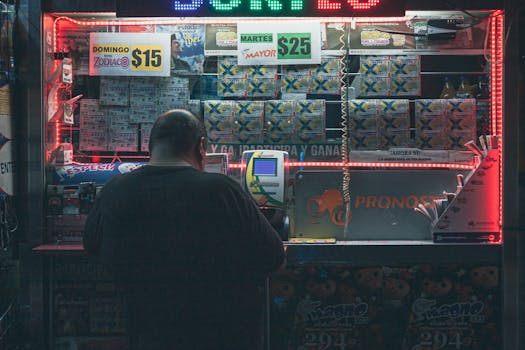
1. National Lotteries: These are large, government-regulated draws, often with substantial jackpots. The National Lottery of Tanzania (SDS) is the flagship, with weekly and monthly draws. 2. Instant Lotteries (Scratch Cards): These provide instant gratification, allowing players to scratch and reveal their winnings on the spot. They are widely available at retail outlets and kiosks. 3. SMS Lotteries: Leveraging Tanzania’s high mobile penetration (over 49 million mobile subscribers as of 2023), SMS lotteries let players participate via text messages. Popular brands include “Tatu Mzuka” and “Biko”. 4. Charity Lotteries: Some draws are organized specifically to support charities, with a significant portion of proceeds going directly to community projects. 5. Private and Regional Lotteries: Certain operators run regional or city-specific lotteries with smaller prize pools and more frequent draws.Here’s a comparative overview of three major types:
| Lottery Type | How to Play | Frequency | Typical Jackpot | Where to Buy |
|---|---|---|---|---|
| National Lottery (SDS) | Pick numbers; weekly/monthly draw | Weekly/Monthly | Up to TZS 100 million | Authorized retailers, online |
| Instant Lottery (Scratch Card) | Buy & scratch card | Anytime | Up to TZS 5 million | Kiosks, shops |
| SMS Lottery (e.g., Tatu Mzuka) | Send SMS with numbers | Daily/Weekly | Up to TZS 50 million | Any mobile phone |
This variety ensures there’s a lottery product for nearly everyone, from serious jackpot chasers to casual participants looking for quick fun.
The Mechanics: How Lottery Draws Really Work
Ever wondered what happens between buying a ticket and the big draw? The process is more sophisticated than it appears.
1. Ticket Sales and Entry Registration: Every ticket sold, whether digital or paper, is logged in a central database managed by the operator. In the case of SMS lotteries, your phone number and chosen numbers are recorded upon sending an entry message. 2. Draw Preparation: For mechanical draws (like the National Lottery), a secure, transparent procedure is followed. Draw machines are tested in the presence of Gaming Board officials and sometimes independent auditors. For digital draws, certified random number generators (RNGs) are used, which must be tested and approved by the regulator. 3. The Draw: Draws are conducted publicly, often broadcast live on television or streamed online. This transparency is key: for example, Tatu Mzuka draws air live every Tuesday and Friday on national TV, attracting millions of viewers. 4. Result Verification: Winning numbers are published through multiple channels: official websites, SMS alerts, newspapers, and social media. Winners must present their ticket or proof of entry to claim their prize. 5. Prize Distribution: Small wins can be claimed at retail outlets, while larger prizes require a visit to the operator’s head office for identity verification and payout. Most jackpots are paid out as lump sums, though some offer annuity options.Fact: According to GBT, over 1.2 million Tanzanians participated in SMS-based lotteries in 2022, highlighting the popularity and reach of these games.
Odds, Winnings, and Taxes: What Players Should Know
While the thrill of playing is undeniable, understanding the real odds and payout structure is vital for responsible participation.
Odds of Winning: - The probability of hitting the jackpot in the National Lottery is typically 1 in 1,000,000, depending on the format. - For scratch cards, the odds of winning any prize can be as high as 1 in 4, but major prizes are much rarer. - SMS lotteries like Tatu Mzuka advertise odds of 1 in 500,000 for the top prize. Payouts: - Prizes under TZS 50,000 are usually paid instantly at retail locations. - Larger amounts require identity checks, and jackpots are subject to a 20% withholding tax, as per Tanzanian law. Taxes: - All lottery winnings above TZS 30,000 are subject to a 20% tax. - For example, if you win TZS 10 million, you’ll receive TZS 8 million after tax.Fact: In 2023, the largest reported lottery win in Tanzania was TZS 92 million from a National Lottery jackpot.
Social Impact and Responsible Play
Lotteries do more than just create millionaires—they have a notable social and economic impact in Tanzania.
Funding Public Projects: A portion of every shilling spent on the lottery goes towards public works. For example, the National Lottery contributed over TZS 4 billion to education and health projects in 2022 alone. These funds support classroom construction, medical equipment, and scholarships.
Promoting Responsible Play: The Gaming Board of Tanzania enforces strict advertising rules and runs awareness campaigns on problem gambling. All operators must display warnings and provide information on responsible play.
Tips for Safe Participation: - Set a budget and stick to it. - Remember: lotteries are games of chance, not guaranteed income. - Seek help if you or someone you know develops signs of gambling addiction; organizations like GamCare Tanzania offer support.Innovations and the Future of Lotteries in Tanzania
The Tanzanian lottery sector is rapidly evolving, embracing new technologies and trends.
Digital Transformation: The rise of mobile money (used by over 60% of Tanzanian adults as of 2023) and smartphone penetration has made SMS and online ticketing the norm. Operators like Biko and Tatu Mzuka have mobile-friendly platforms for effortless participation.
Blockchain and Transparency: Some operators are piloting blockchain-based systems to boost transparency and prevent fraud. While still in early stages, this could revolutionize trust in the lottery system.
Earmarked Lotteries: New initiatives are emerging for lotteries dedicated to specific causes, such as healthcare or climate action, allowing players to support what matters most to them.
Fact: A 2022 survey found that 47% of Tanzanian adults had purchased a lottery ticket in the past year, underscoring the activity’s popularity and cultural acceptance.
Final Thoughts on How Lotteries Work in Tanzania
Lotteries in Tanzania are more than just games—they are a blend of hope, entertainment, and community support. By understanding the rules, odds, and social impact, players can participate wisely and enjoy the thrill responsibly. Whether you’re picking numbers for the next big draw or scratching a ticket at your local shop, you’re part of a system that’s both tightly regulated and deeply rooted in Tanzanian life. Always play for fun, know your limits, and remember that every ticket contributes to building a better Tanzania.